
Spring Reverb Bedroom Pop Production: Complete Guide 2026

Spring reverb bedroom pop production has become the secret weapon that separates amateur bedroom recordings from those dreamy, professional-sounding tracks that make listeners feel like they’re floating. The distinctive sound of Mac DeMarco‘s guitar tones and the ethereal textures in Ariel Pink’s productions didn’t happen by accident. They’re the result of understanding how spring reverb tanks work and applying that knowledge creatively.
I’ve spent years chasing that perfect vintage reverb tank sound in my bedroom setup. Spring reverb isn’t just an effect—it’s an instrument. Whether you’re working with actual hardware tanks or using modern spring reverb plugins, the key lies in understanding the physics behind those metallic coils. Those coils create the unique resonances that define bedroom pop production.
This comprehensive guide will teach you everything from the basic physics of spring reverb to advanced techniques for creating those signature Mac DeMarco reverb textures. You’ll learn how to choose between hardware and software options. You’ll discover how to dial in perfect settings for different instruments. We’ll also cover how to avoid the common mistakes that make bedroom pop productions sound amateur rather than dreamy. Additionally, we’ll explore how to integrate spring reverb into your bedroom producer workflow for maximum creative impact.

Understanding Spring Reverb: The Physics Behind Bedroom Pop Magic
Affiliate Disclosure: This article contains affiliate links. If you make a purchase through these links, we may earn a commission at no extra cost to you. This helps support Widen Island and allows us to keep creating content.
Spring reverb works by converting audio signals into mechanical vibrations that travel through metal coils. These vibrations create natural delays and resonances. Digital reverb algorithms struggle to replicate this authentically. When you send a signal into a vintage reverb tank, the transducers at each end convert electrical energy to mechanical movement and back again.
The magic happens in those imperfections. Real spring tanks have natural frequency responses that emphasize certain harmonics while dampening others. They respond dynamically to input levels—hit them hard and they compress and distort in musical ways. This nonlinear behavior is exactly what gives Mac DeMarco reverb its characteristic warmth and presence.
Why Spring Reverb Sounds Different
Unlike algorithmic reverbs that calculate reflections mathematically, spring tanks create actual physical resonances. The metal coils act as both delay lines and filters. This creates a frequency response that’s anything but flat. Most vintage reverb tanks have prominent peaks around 2-4kHz and gentle high-frequency rolloff. This naturally sits instruments in a mix.
Spring tanks exhibit natural compression and saturation when driven hard. This means they don’t just add space to your sound—they add character and glue. That’s why bedroom pop production relies so heavily on spring reverb for creating cohesive, dreamy textures. It’s not just about spatial effects.
The Mechanical Nature of Spring Character
Ever wonder why spring reverb has that distinctive “boing” quality? The springs themselves resonate at specific frequencies based on their tension, length, and material composition. When you play a low E on your guitar, those springs physically vibrate in sympathy. This creates harmonics and overtones that exist in the real world, not in digital calculations.
Temperature affects spring behavior too. Cold springs sound brighter and more resonant. Warm springs become darker and more compressed. I’ve noticed this in my own studio during winter sessions versus summer recordings. Some producers actually manipulate tank temperature deliberately to achieve different tonal characteristics throughout a session.
Choosing Your Spring Reverb: Hardware vs Plugins
The eternal debate in bedroom pop production centers on whether to invest in actual spring reverb tanks or rely on high-quality plugins. Both approaches have merit. The choice often depends on your budget, space constraints, and workflow preferences.
Hardware spring reverb tanks offer the most authentic experience. They provide the natural nonlinearities, mechanical noise, and dynamic response that define the classic sound. However, they require proper interfacing and take up physical space. They can also be sensitive to vibrations and temperature changes.

The Behringer RV600 Reverb Machine provides an excellent entry point into hardware spring reverb. It features multiple spring tank emulations and allows you to experiment with different vintage reverb tank characteristics. For bedroom producers working on a budget, this unit delivers surprisingly authentic spring reverb textures. These work beautifully on guitars, vocals, and even drum buses.
Best Spring Reverb Plugins for Bedroom Pop
Modern spring reverb plugins have reached impressive levels of realism. Valhalla DSP‘s VintageVerb and Eventide‘s Spring offer detailed models of classic tanks. These plugins excel at capturing the frequency response curves and dynamic behavior of vintage hardware.
Logic Pro’s own ChromaVerb includes a surprisingly good spring model. I use it regularly in my bedroom pop productions. Its “Vintage” setting provides authentic spring character without the expense of dedicated plugins. The key is understanding how to dial in the parameters to match your creative vision.
Free Options That Actually Work
You don’t need expensive plugins to get started with spring reverb bedroom pop production. Reaper’s ReaVerb includes a decent spring impulse response. Ableton Live’s Reverb device has a “Vintage” setting that captures some spring character. Even GarageBand’s vintage reverb can work for basic bedroom pop textures.
The secret with free spring reverb options is understanding their limitations. They might not have the dynamic response of premium plugins. But they can still provide that essential midrange character and metallic resonance. Focus on EQ shaping and parallel processing to enhance their natural qualities.

Setting Up Spring Reverb in Logic Pro
Getting great spring reverb bedroom pop sounds in Logic Pro requires understanding both the technical setup and creative application. I always start by creating a dedicated reverb send rather than inserting reverb directly on tracks. This approach gives you better control over the wet/dry balance. It also allows multiple instruments to share the same reverb space.
Create an auxiliary track and load ChromaVerb set to “Vintage” mode. Set the mix to 100% wet since you’ll control the amount via send levels. Start with a decay time around 1.2-1.8 seconds for most bedroom pop applications. Longer settings can muddy the mix. Shorter ones lose that dreamy quality.
Essential Logic Pro Settings for Mac DeMarco Reverb
To achieve those signature Mac DeMarco reverb textures, focus on the pre-delay and modulation settings. Set pre-delay between 15-30ms to create slight separation between the dry signal and reverb tail. This prevents the reverb from washing out the attack of picked guitar notes. It maintains that floating quality at the same time.
Enable subtle modulation to add movement and prevent the reverb from sounding static. I typically use modulation rates between 0.2-0.5 Hz with depths around 10-15%. This creates gentle pitch variations that mimic the natural instabilities of vintage reverb tanks. Your bedroom pop production will have that authentic vintage character that listeners associate with classic recordings.
Advanced ChromaVerb Techniques
ChromaVerb’s “Vintage” mode has hidden parameters that most producers never explore. The “Details” section lets you adjust the spring tension simulation and mechanical noise characteristics. Increasing “Details” adds more of that authentic spring tank rattle and resonance. But be careful—too much can sound artificial.
The “Ensemble” parameter in ChromaVerb creates subtle chorus-like modulation within the reverb tail. This mimics the natural pitch variations you get with real spring tanks. Set it around 20-30% for bedroom pop applications. Higher values work well for more experimental textures like Ariel Pink’s productions.
Applying Spring Reverb to Different Instruments
Each instrument in your bedroom pop production requires a different approach to spring reverb application. Guitars benefit from moderate amounts of spring reverb to enhance their natural sustain and add spatial dimension. I usually send guitars to spring reverb at -12 to -18dB. The exact amount depends on how prominent I want the effect to be.
Vocals in bedroom pop production often need more subtle spring reverb treatment. The goal is to add depth and intimacy without making the vocals sound distant or unclear. Start with lighter send amounts around -20dB and adjust based on the vocal’s position in the mix. Consider using a high-pass filter on the reverb return to prevent low-frequency buildup. This can muddy the vocal clarity.

Proper monitoring is crucial when dialing in spring reverb settings. The Audio-Technica ATH-M50x headphones provide accurate frequency response that helps you hear exactly how much reverb you’re adding. These headphones excel at revealing the subtle harmonic content that makes spring reverb special. This allows you to make precise adjustments to your bedroom pop production.
Spring Reverb on Drums and Percussion
Drums in bedroom pop production benefit from carefully applied spring reverb, especially on snares and toms. The key is using spring reverb to add vintage character without overwhelming the groove. I typically send only the snare to spring reverb. I use it to add that classic “boing” quality that references vintage recordings.
Kick drums rarely need spring reverb in bedroom pop production. Instead, focus on using spring reverb to enhance the snare’s presence and add subtle ambience to hi-hats. This selective approach maintains the punch of your rhythm section while adding the dreamy textures that define the genre. It prevents the low-end muddiness that can occur when spring reverb is applied too liberally across the drum kit.
Bass Guitar and Spring Reverb
Bass guitar and spring reverb require careful consideration in bedroom pop production. Too much spring reverb on bass can muddy your low-end and reduce punch. However, subtle amounts can add vintage character and help the bass sit in the mix naturally. I typically high-pass filter the bass send around 150Hz before it hits the spring reverb.
Consider using spring reverb only on the upper harmonics of your bass guitar. This preserves the fundamental frequencies while adding character to the midrange content. Parallel processing works well here—blend a heavily processed spring reverb signal with your dry bass to taste. This technique maintains low-end clarity while adding vintage texture.
Advanced Spring Reverb Techniques
Once you’ve mastered basic spring reverb bedroom pop applications, several advanced techniques can take your productions to the next level. Parallel processing allows you to blend heavily processed spring reverb with your dry signal. This creates depth without sacrificing clarity. Set up a parallel send with aggressive spring reverb settings—longer decay times and higher mix levels. Then blend it subtly with your main reverb send.
EQ shaping on your spring reverb returns opens up creative possibilities. High-pass filtering around 200-300Hz prevents muddiness while preserving the character-defining midrange frequencies. Gentle high-frequency shelving around 8kHz can add air and sparkle to your reverb tails. Be careful not to over-process the reverb return. This can destroy the natural character that makes spring reverb special.

Recording spring reverb properly requires a quality audio interface with clean preamps. The Focusrite Scarlett Solo provides excellent conversion quality and low-noise preamps that capture the subtle details in spring reverb textures. Whether you’re recording hardware tanks or monitoring plugin-based reverbs, a clean signal path is essential. This maintains the delicate harmonic content that defines bedroom pop production.
Creative Spring Reverb Modulation
Modulating spring reverb parameters in real-time creates movement and interest in your bedroom pop production. Logic Pro’s automation capabilities allow you to change reverb decay times, mix levels, and modulation depths throughout your song. Try automating longer decay times during spacious sections. Use shorter times during busy passages.
Side-chain compression on spring reverb returns is another powerful technique. Route your kick drum to compress the reverb return. This creates rhythmic pumping that adds groove to your bedroom pop production. Use gentle ratios (2:1 to 3:1) and fast attack/medium release times to maintain musicality while adding movement. This technique works particularly well on guitar and vocal reverbs.
Reverse Spring Reverb Techniques
Reverse spring reverb creates otherworldly textures that work beautifully in experimental bedroom pop production. Record your spring reverb tail, then reverse the audio and place it before the original note. This creates a “sucking” effect that builds tension before chord changes or vocal entries.
You can achieve this effect in real-time using Logic Pro’s Tape delay set to reverse mode before your spring reverb. The combination of reverse delay and spring reverb creates complex, evolving textures. These work particularly well on guitar arpeggios and ambient pad sounds. Experiment with different delay times to find the sweet spot for your track’s tempo.
Analyzing Mac DeMarco’s Spring Reverb Usage
Mac DeMarco’s approach to spring reverb has become the template for modern bedroom pop production. His guitar tones feature moderate amounts of spring reverb that enhance sustain without overwhelming the dry signal. The reverb sits behind the guitar rather than on top of it. This creates depth while maintaining clarity and punch.
Listen carefully to tracks like “Freaking Out the Neighborhood.” You’ll notice that the spring reverb has been EQ’d to remove excessive low-end while preserving the midrange character. This gives his guitars their distinctive voice. The reverb tails fade naturally without harsh cutoffs. This suggests careful attention to decay time settings. There’s subtle modulation present that adds movement without drawing attention to itself.
What makes Mac DeMarco reverb particularly effective is its consistency across different instruments. The same spring reverb character appears on guitars, vocals, and even some percussion elements. This creates a cohesive sonic signature. This approach differs from using multiple reverb types. Instead, it relies on spring reverb as the primary spatial effect throughout the production. His recordings have a distinctive vintage character that listeners immediately recognize.
Recreating Ariel Pink’s Spring Reverb Textures
Ariel Pink takes a more experimental approach to spring reverb bedroom pop production. He often uses extreme settings to create otherworldly textures. His reverb applications tend to be more prominent in the mix. Sometimes they become melodic elements in their own right. The key to his sound lies in using spring reverb creatively rather than just as a spatial effect.
To achieve similar textures, try using longer decay times (3-5 seconds) with higher mix levels than typical bedroom pop applications. Experiment with pre-delay settings to create rhythmic patterns with the reverb tails. Don’t be afraid to automate reverb parameters dramatically. Ariel Pink’s productions often feature reverb that changes character throughout individual songs. This creates dynamic interest and emotional impact.
The Tame Impala Approach
Kevin Parker’s use of spring reverb in Tame Impala productions offers another perspective on bedroom pop textures. He often combines spring reverb with heavy compression and saturation. This creates a dense, wall-of-sound effect while maintaining the vintage character. His approach works particularly well on drums and synthesizers.
The key to Parker’s spring reverb sound is layering multiple reverb instances with different decay times and EQ settings. This creates complex, evolving reverb tails that change character throughout their decay. Try setting up three different spring reverb sends with short, medium, and long decay times. Send different amounts of each instrument to each reverb for rich, dimensional textures.
Common Spring Reverb Mistakes to Avoid
The most common mistake in spring reverb bedroom pop production is using too much reverb on too many elements. Spring reverb has a distinctive character that can quickly overwhelm a mix if applied liberally. Instead, choose key elements—typically lead vocals and main guitars—to receive prominent spring reverb treatment. Use it more subtly on supporting instruments.
Another frequent error is neglecting the frequency content of spring reverb returns. Raw spring reverb often contains excessive low-frequency content that can muddy your mix and reduce punch. Always high-pass filter your reverb returns, starting around 100Hz and adjusting based on the source material. This simple step dramatically improves mix clarity while preserving the character that makes spring reverb special.
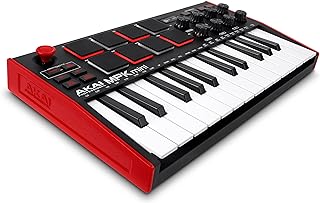
Having tactile control over your spring reverb settings enhances the creative process significantly. The Akai Professional MPK Mini MK3 provides hands-on control for adjusting reverb parameters in real-time. Map the knobs to reverb decay time, mix level, and modulation depth for immediate access to the most important parameters. This workflow approach allows you to make musical decisions about spring reverb without getting lost in technical details.
Timing and Musical Context
Spring reverb settings that sound perfect in isolation may not work in the context of a full bedroom pop production. Always make reverb decisions while listening to the complete mix. Pay attention to how the reverb interacts with other elements. What sounds like the perfect amount of reverb on a solo guitar may be too much when bass, drums, and vocals are present.
Consider the tempo and rhythmic density of your track when setting decay times. Faster tempos generally require shorter decay times to prevent reverb tails from cluttering subsequent beats. Slower, more spacious bedroom pop productions can accommodate longer decay times that enhance the dreamy atmosphere. The key is finding the balance between character and clarity that serves your specific musical vision.
The Mono Compatibility Problem
Many bedroom producers forget to check how their spring reverb sounds in mono. Wide stereo reverbs can disappear or sound thin when summed to mono. This affects how your track sounds on phone speakers, club systems, and streaming platforms. Always check your spring reverb settings in mono to ensure they maintain their character.
If your spring reverb disappears in mono, try narrowing the stereo width or using a mono reverb plugin. Some producers deliberately use mono spring reverb to ensure consistency across all playback systems. This approach can actually enhance the vintage character since many classic spring reverb tanks were essentially mono devices.
Integration with Other Effects
Spring reverb bedroom pop production often involves combining spring reverb with other vintage-style effects. Tape saturation plugins work beautifully before spring reverb. They add harmonic content that the reverb then disperses throughout the stereo field. This combination creates the warm, cohesive sound that defines professional bedroom pop productions.
Chorus and vibrato effects complement spring reverb naturally. Both effect types reference vintage hardware commonly found in classic recordings. However, be cautious about over-modulating your signal chain. Too much movement from multiple sources can create seasick-inducing results. This is far from the subtle animation that enhances bedroom pop production. Instead, choose one primary modulation source and use others sparingly for accent.
Recent developments in plugin technology have made it easier than ever to achieve authentic spring reverb bedroom pop sounds. As Bedroom Producers Blog reported recently, the Tesseract Echo plugin combines tape delay with spring reverb characteristics. This offers bedroom producers new creative possibilities for texture creation. This type of hybrid processing reflects the evolving nature of bedroom pop production techniques.
Building Your Spring Reverb Chain
The order of effects in your spring reverb chain significantly impacts the final sound. I typically place EQ before spring reverb to shape the input signal. Then comes the reverb itself, followed by additional processing like gentle compression or tape saturation on the return. This approach allows you to control what frequencies hit the reverb while adding character to the reverb tail.
Experiment with placing different effects before and after your spring reverb to discover unique textures. Distortion before reverb creates completely different results than distortion after reverb. Similarly, filtering the reverb input versus the output produces distinct sonic characteristics. These subtle differences can help you develop a signature sound that distinguishes your bedroom pop production from others in the genre.
Compression and Spring Reverb
Compression on spring reverb returns requires a delicate touch. Too much compression can squash the natural dynamics that make spring reverb special. However, gentle compression can help control reverb tails and make them sit better in dense mixes. I typically use ratios around 2:1 with slow attack times to preserve the initial reverb character.
Try using vintage-style compressors on your spring reverb returns. The LA-2A and 1176 models work particularly well because they add harmonic coloration that complements the vintage character of spring reverb. Set them for gentle gain reduction (2-4dB) with medium to slow release times. This creates glue without destroying the natural reverb behavior.
Recording Techniques for Hardware Spring Reverb
If you’re working with actual spring reverb tanks, proper recording technique is crucial for capturing their full character. Position microphones carefully to avoid picking up mechanical noise from the springs themselves while capturing the acoustic output from the tank’s speaker. Room acoustics play a significant role—a slightly reflective room can enhance the vintage reverb tank character.
Consider the input level hitting your spring reverb tank. Most vintage tanks sound best when driven moderately hard. This creates natural compression and harmonic saturation. However, excessive input levels can cause harsh distortion that sounds unmusical. Start with conservative levels and gradually increase until you hear the tank beginning to add character. Then back off slightly.
Temperature and humidity affect spring reverb tanks more than most producers realize. Cold springs sound brighter and more resonant. Warm springs become darker and more compressed. Some producers deliberately manipulate tank temperature to achieve different tonal characteristics throughout a recording session. This level of attention to detail separates professional bedroom pop production from amateur efforts.
Microphone Placement for Spring Tanks
Microphone placement dramatically affects the character you capture from hardware spring reverb tanks. Close-miking emphasizes the mechanical characteristics and spring resonances. Distant miking captures more of the room interaction and creates a more diffuse sound. I typically use a combination of both approaches for maximum flexibility during mixing.
Dynamic microphones like the Shure SM57 work well for close-miking spring tanks because they handle the high SPL and emphasize midrange frequencies. Condenser microphones placed further away capture more of the ambient character and high-frequency details. Experiment with different polar patterns—cardioid for focused capture, omnidirectional for more room interaction.
Mixing Spring Reverb in Context
The final step in effective spring reverb bedroom pop production involves mixing the reverb appropriately within your overall sonic landscape. Spring reverb should enhance your mix rather than dominate it. I often use gentle compression on reverb returns to control dynamics while maintaining the natural character of the effect.
Stereo imaging of spring reverb requires careful consideration. While wide stereo reverbs can create impressive spaciousness, they can also make your mix sound unfocused. I typically keep spring reverb returns slightly narrower than the full stereo field. This allows other elements like vintage piano plugins and ambient textures to occupy the extreme left and right positions.
The relationship between your spring reverb and other spatial effects in the mix determines the overall sense of cohesion. If you’re using multiple reverb types, ensure they complement rather than compete with each other. Spring reverb typically works best as the primary reverb character. Use other reverb types sparingly for specific textural purposes.
Automation Strategies for Spring Reverb
Automating spring reverb parameters throughout your track creates dynamic interest and emotional impact. I often automate send levels to increase reverb during choruses and reduce it during verses. This creates natural dynamics that support the song structure. Decay time automation works well for creating tension—longer decays during builds, shorter during releases.
Pre-delay automation can create rhythmic interest by changing the relationship between dry signal and reverb tail. Try automating pre-delay to match different note values—eighth notes during verses, quarter notes during choruses. This subtle technique adds groove and movement to your bedroom pop production without being obvious to listeners.
Frequently Asked Questions
What makes spring reverb different from other reverb types in bedroom pop?
Spring reverb creates mechanical resonances through actual metal coils, producing natural compression and frequency coloration that digital algorithms struggle to replicate. This physical process generates the warm, vintage character that defines bedroom pop production. It’s unlike algorithmic reverbs that calculate reflections mathematically.
How much spring reverb should I use on vocals in bedroom pop?
Start with subtle amounts around -20dB send level and adjust based on the vocal’s role in the mix. Lead vocals typically need less reverb to maintain clarity and intimacy. Backing vocals can handle more prominent spring reverb treatment. Always high-pass filter the reverb return around 200Hz to prevent muddiness.
Can I achieve authentic Mac DeMarco reverb sounds with plugins?
Yes, modern spring reverb plugins like Valhalla VintageVerb and Logic Pro’s ChromaVerb can produce convincing Mac DeMarco reverb textures. The key is understanding the parameter settings—moderate decay times, subtle modulation, and careful EQ shaping. Focus on the midrange character and avoid excessive low-frequency content in your reverb returns.
What’s the best spring reverb plugin for bedroom producers on a budget?
Logic Pro’s built-in ChromaVerb offers excellent spring reverb modeling at no additional cost. Its Vintage setting provides authentic spring character suitable for professional bedroom pop production. For those using other DAWs, many free spring reverb plugins are available. Though they may require more careful parameter adjustment to achieve professional results.
Should I use spring reverb on drums in bedroom pop production?
Use spring reverb selectively on drums—typically just the snare drum to add vintage character and presence. Avoid applying spring reverb to kick drums as it can muddy the low-end. Hi-hats can benefit from subtle spring reverb treatment. But maintain focus on the snare as the primary drum element receiving spring reverb processing.
Mastering spring reverb bedroom pop production takes time and experimentation, but the results are worth the effort. The combination of understanding the physics, choosing appropriate tools, and applying creative techniques will take your bedroom pop productions from amateur to professional quality. Remember that spring reverb is both an effect and an instrument. Treat it with the same care and attention you give to any other element in your mix. It will reward you with those dreamy, vintage textures that define the genre.
Whether you choose hardware tanks or high-quality plugins, the principles remain the same. Understand your tools, apply them musically, and always serve the song. Spring reverb bedroom pop production is about creating emotion and atmosphere, not just adding effects. With these techniques and insights, you’ll be well-equipped to create the lush, dreamy soundscapes that make bedroom pop so compelling to listeners worldwide. Keep experimenting, trust your ears, and most importantly, have fun exploring the endless creative possibilities that spring reverb offers your bedroom pop production workflow.
/Edwin


